How Dog Daycares Are Changing Modern Pet Care
In recent years, pet care dynamics have experienced a major transformation across urban and suburban communities nationwide. Hectic schedules and a deeper appreciation for animal well-being nudge pet owners toward comprehensive care solutions. Modern pet owners increasingly rely on dog daycares to keep their companions physically active, mentally stimulated, and socially fulfilled throughout working hours.
According to survey data from Statista, roughly 65.1 million households across the United States maintain at least one dog, making canines the most popular house pet in the nation. As society integrates pets into family life, support services must adapt to meet evolving expectations. Specialized facilities combine traditional pet care with innovative wellness concepts to elevate daily life for companion dogs.
Trace the Historical Evolution of Care
The initial concept of dog daycares developed in response to rapid urban expansion and changing household roles. In earlier periods, dogs primarily served functional roles as working animals assigned to guard property, herd livestock, or assist with hunting tasks. As families moved into densely populated cities and suburbs, the need for structured daytime spaces for domestic pets grew steadily.
Early facilities provided fundamental shelter and supervision, but expanding emotional bonds between humans and pets accelerated service developments. Pioneer operators confronted initial operational hurdles, including managing diverse breeds with distinct temperaments in shared spaces. To resolve these challenges, industry leaders implemented pre-admission behavioral evaluations and staff education programs to cultivate safe group environments.
Over time, public perception transformed, shifting from viewing daytime care as a luxury option to recognizing it as an essential component of pet stewardship. Modern industry standards emerged, establishing facility licensing protocols, routine sanitation checks, and employee safety certifications. Today, these structured institutions represent a permanent foundation within the pet care landscape.
Enhance Physical and Behavioral Health
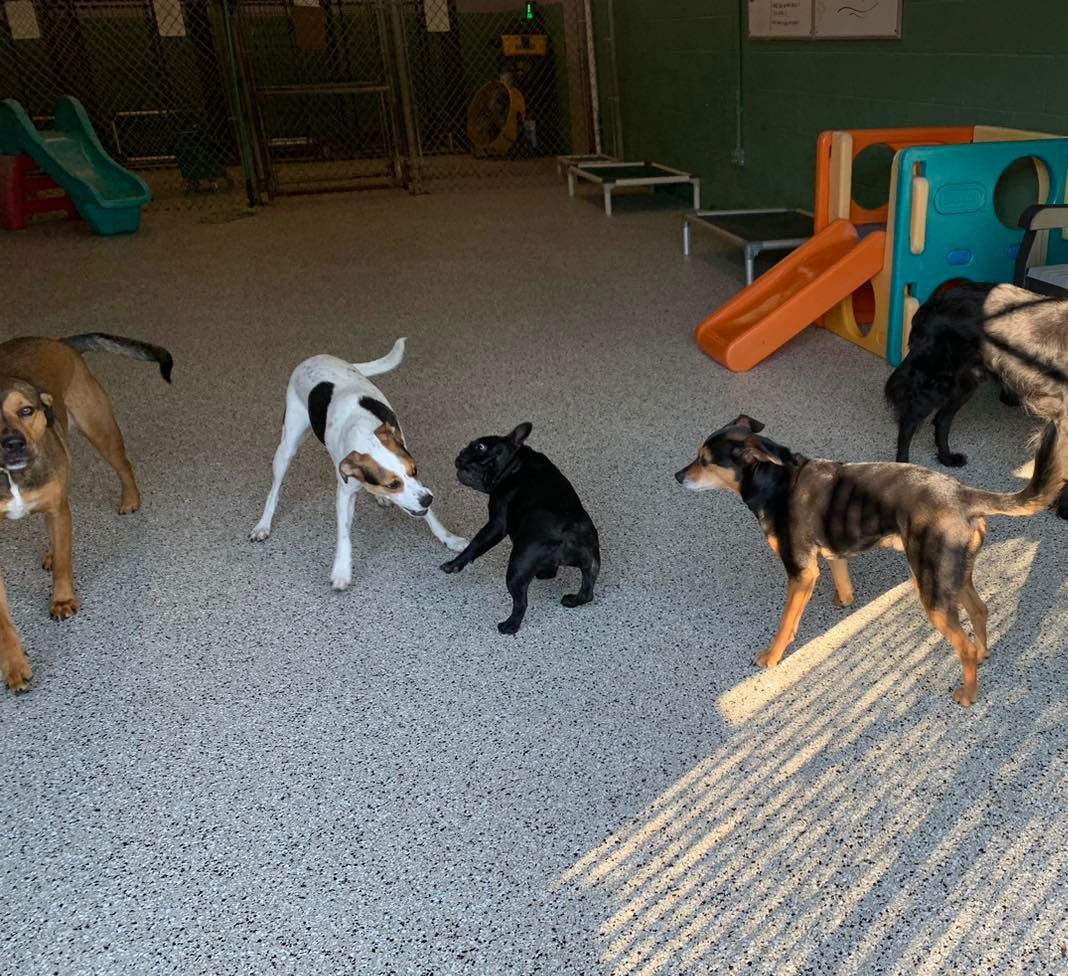
Structured environments in care facilities provide canine guests with essential daily physical activity that directly addresses health concerns like obesity. Organized group activities, interactive fetch games, and supervised outdoor play allow dogs to maintain cardiovascular health while burning excess energy. Consistent physical exertion helps prevent joint stiffness and builds core muscular strength.
Beyond physical exercise, daily playgroups offer continuous mental stimulation that challenges cognitive faculties and prevents household boredom. Interactive puzzle games, agility obstacles, and structured group play encourage critical thinking and social adaptation. Canines engaging in intellectually stimulating activities exhibit higher confidence, greater resilience, and improved emotional stability.
Combining regular exercise with structured social interaction yields noticeable improvements in canine behavior inside and outside the home. Channeling natural canine energy into productive daytime play eliminates common behavioral issues like destructive chewing, barrier frustration, or relentless vocalization. Consequently, owners enjoy peaceful households and harmonious relationships with well-exercised companions.
Relieve Everyday Stress and Anxiety
Many professional dog daycares design intentional daily schedules engineered to alleviate common canine stress and separation anxiety. Separation distress represents a persistent challenge for domestic pets left isolated at home for extended periods during workdays. Supervised group environments supply continuous companionship and positive peer interaction, helping dogs feel safe and reassured while apart from their owners.
Interactive play environments foster genuine emotional independence in dogs struggling with nervous temperaments or fear of isolation. Consistent exposure to calm caregivers and well-socialized peers teaches pets to process environmental changes without fear. Over time, attending structured daytime care helps dogs build self-assurance, enabling them to transition between different settings smoothly.
Alleviating isolation distress creates a peaceful domestic atmosphere and strengthens the bond between dogs and their human families. Owners gain peace of mind knowing their companions spend daytime hours in supportive settings rather than enduring lonely hours at home. This holistic approach to emotional wellness drastically improves life quality for pets and owners alike.
Provide Practical Convenience for Owners
Busy working professionals depend on dog daycares to balance demanding professional responsibilities with dedicated pet ownership. Flexible drop-off and pick-up windows allow clients to manage unpredictable work schedules without sacrificing their pet's daily exercise needs. Entrusting care to experienced professionals removes guilt and allows owners to focus on their work productivity.
Traveling for business trips or family vacations presents logistical challenges for devoted owners seeking reliable pet supervision. Dedicated daytime facilities offer familiar surroundings, predictable daily schedules, and attentive supervision that ease stress associated with owner absence. Pets thrive on familiar routines, making temporary stays enjoyable rather than disruptive to their emotional balance.
Access to professional staff gives owners guidance regarding behavioral management, diet, and training practices. Knowledgeable attendants observe subtle shifts in canine behavior or health, offering actionable feedback to owners after each stay. These collaborative relationships create educational partnerships that empower pet owners to make informed decisions regarding their pet's long-term well-being.
Expand Local Business and Job Growth
The widespread adoption of dog daycares generates economic activity and creates lucrative business opportunities across local commercial sectors. Surging consumer demand for quality pet services encourages entrepreneurs to build modern facilities in growing neighborhoods. This market growth attracts commercial investment, driving financial vitality within the companion care sector.
Industry expansion directly stimulates job creation by generating employment opportunities across multiple skill levels within the pet sector. Facilities require dedicated teams of certified pack leaders, professional groomers, facility managers, and administrative support personnel. These expanding job markets incentivize vocational training programs centered on animal care, psychology, and facility management.
Operating pet facilities produces positive economic ripple effects that benefit secondary suppliers and local service vendors throughout the community. Equipment manufacturers, pet food distributors, commercial cleaning contractors, and veterinary clinics experience heightened demand as care networks expand. This interconnected commercial web highlights how modern facilities serve as economic engines locally.
Adopt Modern Technological Innovations
Integrating advanced technology allows dog daycares to deliver unprecedented transparency and convenience to discerning pet owners. High-definition live webcams and interactive mobile applications enable clients to view their dogs playing in real time throughout the day. This direct visual accessibility reassures owners, deepens trust, and sets high operational standards across the industry.
Digital check-in stations, automated health databases, and mobile booking platforms simplify daily administrative processes for staff and clients. Automated vaccination reminders, digital behavioral reports, and contactless payment systems ensure smooth management and operational safety. These technological integrations reduce administrative overhead while keeping accurate health files for every registered guest.
Emerging technology continues to refine how caretakers monitor individual health metrics and tailor daily activity programs for each dog. Smart collar trackers and environmental sensors monitor play intensity, resting heart rates, and ambient temperatures to maximize safety. Embracing technology ensures that facilities remain at the forefront of safe, personalized pet care delivery.
The evolution of daytime canine care reflects a cultural shift toward treating companion animals with empathy, respect, and comprehensive health management. By delivering balanced physical exercise, mental enrichment, emotional security, and professional oversight, modern care options have revolutionized pet ownership for busy families. These facilities ensure that dogs live healthy, vibrant lives while helping owners balance busy schedules.
Choosing established dog daycares ensures that family pets receive structured socialization, professional care, and a loving environment tailored to their needs. We believe every dog deserves a safe, engaging space to play and grow while you navigate your daily responsibilities. As pet care continues to advance, our team remains committed to setting the highest standard for safety, happiness, and pet wellness. Please contact us at Bark Avenue Pet House today so we can schedule a visit and help your pet thrive.



Share On: